
TL;DR: Author bio signals E-E-A-T. Must include: name, credentials, years experience, specialties. Schema.org Person markup with sameAs links to social profiles. On every article.
Why Critical
Google's E-E-A-T evaluation looks at who wrote. Anonymous = bad signal (for YMYL especially). Named author with credentials = signal of expertise.
What to Include
1. Full name
Not "Jane D." or "Staff Writer". Full name.
2. Title/credential
"CPA", "M.D.", "20-year SEO consultant".
3. Years of experience
"15 years in cybersecurity" beats "seasoned professional".
4. Specialization
Specific niche. "Hebrew SEO and GEO" not just "marketing".
5. Proof elements
- Companies worked at.
- Publications.
- Speaking engagements.
- Notable clients (if shareable).
6. Links
LinkedIn (primary), Twitter/X, personal website, Wikipedia if exists.
Person Schema
{
  "@type": "Person",
  "name": "Shmulik Dorinbaum",
  "url": "https://www.shmul.co.il/about",
  "sameAs": [
    "https://linkedin.com/in/samueldorenbaum",
    "https://twitter.com/..."
  ],
  "jobTitle": "SEO Consultant",
  "worksFor": "Self-employed"
}
Placement
- End of article (traditional).
- Beside headline (some designs).
- Top sidebar.
- Author's own page with full bio (link from bio box).
Length
50-150 words. Enough for credentials without being long.
Author Page
Beyond bio box, have full author page:
- Longer bio.
- Full credentials.
- Publications list.
- Books/speaking.
- Social profiles.
- Contact info.
Common Mistakes
- "Written by our editorial team". anonymous.
- Fake authors (AI-generated).
- Same bio on every article (use author page for full bio, short on article).
- No schema.
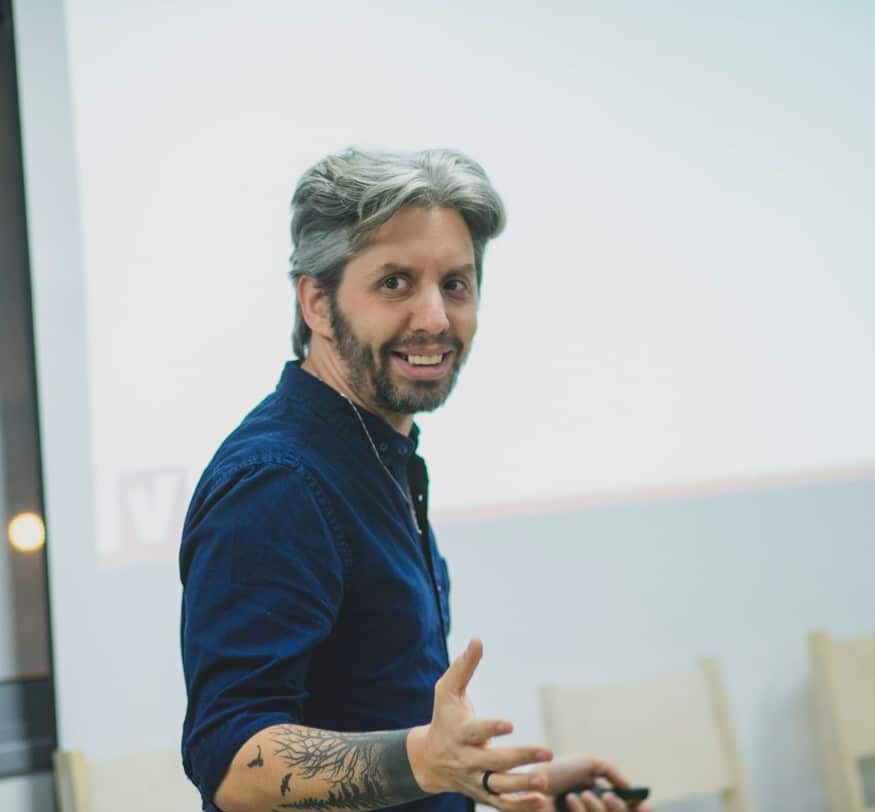
רוצה עזרה ממוקדת ל-SEO באתר שלך?
אני שמוליק דורינבאום, יועץ SEO ב-20+ שנות ניסיון. אם המאמר הזה נתן לך כיוון ואתה רוצה ליישם על האתר שלך, יש לי קורס קידום אתרים חינמי מלא, או שאפשר לקפוץ לשיחת ייעוץ אישית.